 by admin
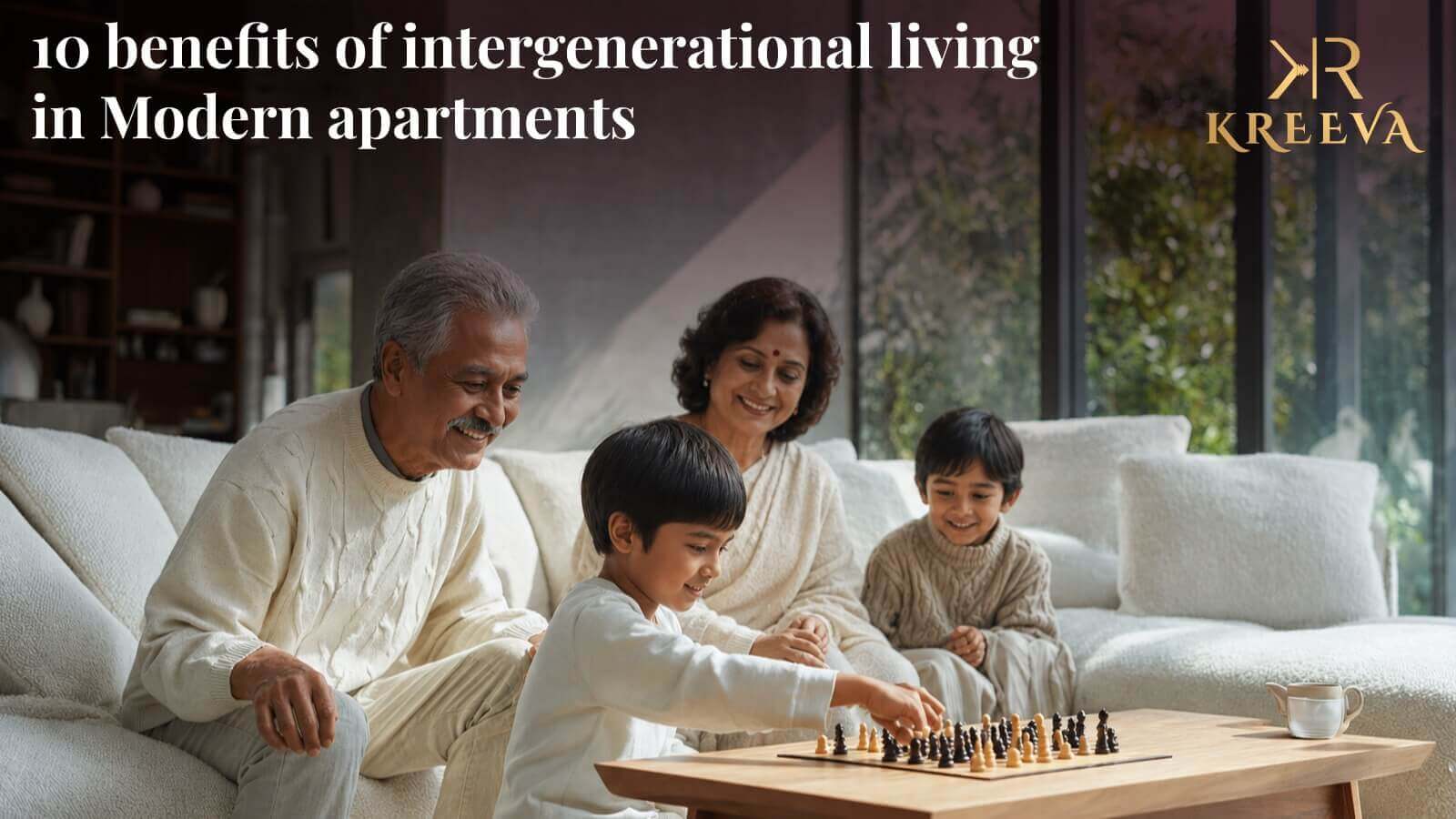
10 Benefits of Intergenerational Living in Modern Apartments
May 01, 2026Intergenerational living is becoming increasingly relevant in modern urban housing. Rising property prices, evolving family structures, work-from-home culture, and the growing need for emotional and financial support are encouraging families to live together across generations.
Modern apartment developments are also adapting to this trend by offering larger layouts, shared amenities, wellness-focused spaces, and flexible living configurations that support grandparents, parents, and children under one roof.
For real estate developers, investors, and homeowners, understanding the benefits of intergenerational living in modern apartments is important because this housing model is influencing buyer preferences and long-term residential demand across Indian cities and global markets alike.
Projects that support family-centric lifestyles, privacy, accessibility, and community living often attract stronger end-user interest in today’s real estate environment.
What is Intergenerational Living?
Intergenerational living is a housing arrangement where multiple generations of a family share the same home or residential community. This setup commonly includes grandparents, parents, children, and occasionally extended relatives. It promotes shared responsibilities, stronger family connections, emotional support, and a more collaborative approach to modern family living.
Modern apartments designed for intergenerational living usually focus on:
- Functional Space Planning
- Privacy For Different Age Groups
- Shared Social Spaces
- Safety Features
- Accessibility
- Community Amenities
Developers are increasingly recognizing the need for homes that balance independence and togetherness.
1. Stronger Family Bonding and Emotional Support
One of the biggest benefits of intergenerational living is improved family connection.
Living together allows family members to spend more meaningful time with each other across daily routines, celebrations, and life events. Children often develop stronger emotional bonds with grandparents, while elderly family members feel more socially engaged and valued.
Emotional support becomes especially valuable during major life situations such as health concerns, career changes, parenting responsibilities, and the pressures of fast-paced urban living. Living together allows family members to provide daily encouragement, practical assistance, and emotional stability, helping households navigate challenges more effectively while strengthening relationships across generations.
Modern apartments with shared lounges, landscaped gardens, community seating, and wellness zones further encourage family interaction without compromising privacy.
For many homeowners, emotional security has become just as important as property value appreciation.
2. Shared Financial Responsibilities
With housing expenses increasing across urban areas, intergenerational living helps families distribute financial responsibilities more effectively. Multiple earning members can contribute toward home loan EMIs, maintenance charges, utility bills, groceries, and domestic support expenses. This shared approach reduces individual financial pressure while improving overall affordability and long-term financial stability for families.
Pooling resources often allows families to purchase larger or better-located apartments that may otherwise feel financially difficult for a single nuclear family.
From a real estate perspective, developers offering flexible apartment layouts may appeal to buyers seeking long-term family accommodation solutions.
This trend is increasingly relevant in urban areas where affordability and lifestyle expectations must coexist.
3. Better Childcare Support for Working Parents
Balancing professional responsibilities and childcare has become increasingly challenging in modern urban lifestyles. Intergenerational living creates a dependable family support system where grandparents can actively help with daily childcare routines, emotional guidance, school activities, and supervision, allowing working parents to manage their careers more efficiently while maintaining a healthier work-life balance.
- School Routines
- Child Supervision
- Emotional Guidance
- Cultural Learning
- Daily Caregiving
This arrangement may reduce dependence on external childcare services while helping children grow within a more family-oriented environment.
For parents handling remote work or demanding professional schedules, having reliable family support nearby can greatly improve daily routines and work-life balance. Modern apartment communities with children’s play zones, landscaped walking paths, indoor activity spaces, and secure surroundings further enhance intergenerational living by creating a safer and more family-friendly environment.
4. Improved Elderly Care and Companionship
As aging populations continue to grow globally, elderly care has become an important factor in housing decisions. One of the major benefits of intergenerational living is that senior family members receive consistent emotional connection, daily companionship, and practical support through regular interaction with children, parents, and other family members.
This may help reduce:
- Loneliness
- Social Isolation
- Dependence on Assisted Living Facilities
- Emergency Response Delays
Modern residential developments increasingly include senior-friendly features such as:
- Elevators
- Wheelchair Accessibility
- Security Systems
- Walking Tracks
- Healthcare Proximity
- Wellness Amenities
Families often prefer environments where elderly members remain independent while still staying closely connected to loved ones.
5. Efficient Use of Space and Resources
Intergenerational living promotes better space utilization by allowing families to live together instead of maintaining multiple separate homes. This arrangement helps reduce duplicate household expenses while encouraging shared use of common resources, making everyday living more practical, organized, and financially efficient for all family members.
This living approach can also support more sustainable urban development by optimizing residential space and shared resources.
Modern apartment developers are increasingly designing homes with:
- Multiple Bedrooms
- Dual Living Zones
- Flexible Workspaces
- Utility Areas
- Private Balconies
- Sound Separation
These design improvements help families coexist more comfortably while maintaining personal space.
6. Enhanced Safety and Security
Another important benefit of intergenerational living is improved household safety and security. With multiple family members present at different times throughout the day, homes are often better monitored, allowing quicker responses during emergencies while also improving supervision for children and elderly family members, which can improve:
- Emergency Response
- Child Supervision
- Elder Monitoring
- Home Security Awareness
Gated residential communities further strengthen safety through:
- CCTV Surveillance
- Security Personnel
- Access-Controlled Entry
- Visitor Management Systems
For elderly residents and children especially, this layered security environment offers additional peace of mind.
Safety-conscious buyers increasingly evaluate residential projects based not only on location but also on community infrastructure and family-friendly planning.
7. Stronger Cultural and Value Transfer
Intergenerational living plays an important role in preserving family traditions, cultural values, and shared experiences across generations. Grandparents often contribute by passing down language, festivals, family history, cultural practices, and valuable life lessons, helping younger family members stay connected to their roots while developing a stronger sense of identity and belonging.
In fast-paced urban environments, this continuity can strengthen identity and emotional stability among younger generations. Shared living environments also encourage empathy, patience, and mutual understanding between age groups.
For many Indian families, maintaining cultural continuity remains an important consideration while selecting long-term residential properties.
8. Greater Flexibility During Life Transitions
Family needs often change over time due to personal, professional, or health-related circumstances. Intergenerational apartments provide greater flexibility during important life transitions such as career changes, retirement, temporary relocations, health recovery, financial adjustments, and remote work arrangements, allowing families to adapt more comfortably without frequently changing homes.
Instead of constantly shifting residences, larger family-oriented apartments can adapt to evolving household structures.
Modern layouts with flexible rooms, study areas, guest suites, and multifunctional spaces support these changing requirements more effectively than traditional compact housing models.
This adaptability can improve long-term property usability and reduce relocation stress.
9. Better Mental Health and Social Well-Being
Social connection is essential for maintaining emotional wellness, especially in fast-paced urban environments where isolation has become increasingly common among elderly individuals and working professionals. Intergenerational living helps build stronger emotional support systems through daily interaction, shared routines, active family engagement, reduced loneliness, and consistent emotional reassurance across generations.
Children may also benefit from having multiple role models and caregivers within the household.
Modern apartment communities with amenities such as clubhouses, landscaped gardens, meditation areas, community events, and fitness facilities can further encourage social interaction and strengthen community bonding. These shared spaces help residents stay active, connected, and emotionally engaged, ultimately contributing to a healthier and better overall quality of life for all age groups.
10. Long-Term Real Estate Demand Potential
From a real estate market perspective, intergenerational living is gradually influencing future housing demand trends. Developers are witnessing growing buyer interest in larger apartments, multi-bedroom configurations, flexible floor plans, family-oriented amenities, and wellness-focused communities that can comfortably support the evolving needs of intergenerational households.
Properties catering to intergenerational families may benefit from broader end-user appeal because they serve diverse household needs simultaneously.
Conclusion
The growing interest in intergenerational living reflects broader shifts in how families approach housing, lifestyle, emotional well-being, and financial planning.
The benefits of intergenerational living in modern apartments extend beyond shared housing costs. This lifestyle can strengthen family relationships, improve elderly care, support childcare, enhance emotional wellness, and create more adaptable long-term living environments.
Modern apartment developments are increasingly responding with smarter layouts, wellness-focused amenities, accessibility features, and community-driven planning that support intergenerational families more effectively.
For homeowners, investors, and real estate professionals, understanding these evolving residential preferences can provide valuable insight into future housing demand and urban living trends.
Developments by Kreeva India represent the broader industry movement toward practical, family-oriented residential planning designed for modern urban lifestyles.