 by admin
- multi generation living
- multi generation living in gurugram
- multi-generation living for modern families
Multi-Generation Living: A Complete Guide for Modern Families
April 10, 2026The way families live is evolving. Rising property costs, changing social dynamics, and a renewed focus on family support systems have made multi-generation living one of the most significant residential trends in India, especially in premium markets like Gurugram.
For real estate professionals, investors, and homebuyers, understanding this shift is no longer optional. It directly impacts property demand, design preferences, and long-term investment value.
This comprehensive guide explains everything about multi-generation living for modern families from its benefits and challenges to why it’s gaining traction in high-end micro-markets like Gurugram.
What is Multi-Generation Living?
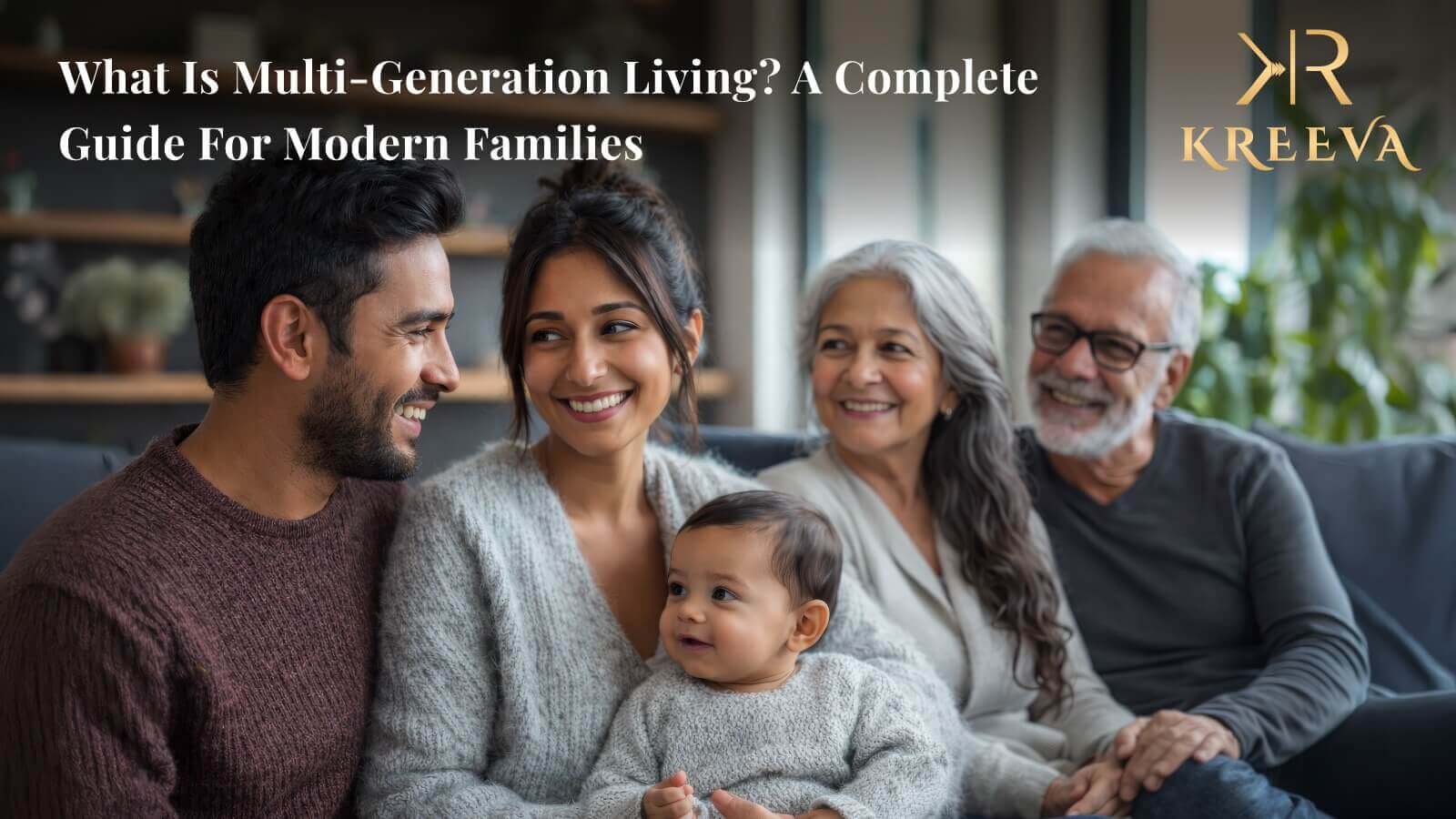
Multi-generation living refers to a housing arrangement where two or more generations of a family live under the same roof. Typically, this includes:
- Grandparents
- Parents
- Children (and sometimes extended family)
Unlike traditional joint families, modern multi-generation homes are thoughtfully designed to balance togetherness and privacy.
Why Multi-Generation Homes Are Rising
The demand for shared family living is increasing due to several socio-economic factors.
Key Drivers Behind the Trend
- Rising Property Prices: Premium areas like Delhi and Gurugram have high entry costs, making shared ownership practical.
- Elderly Care Needs: Aging parents require support, making proximity essential.
- Childcare Support: Working couples benefit from in-house family assistance.
- Post-Pandemic Shift: COVID-19 reinforced the importance of family living.
- Emotional Well-being: Stronger family bonds improve mental health.
This directly connects to why multi-generation homes are rising, especially in urban India.
Gurugram or Delhi: Where Multi-Generation Living Thrives
When comparing prime NCR locations, both Gurugram and Delhi offer advantages, but they differ in how they support multi-generation living.
| Factor | Gurugram |
Delhi |
| Space Availability | Larger apartments, gated communities | Limited space, older layouts |
| New Developments | Modern, purpose-built projects | Mostly redeveloped properties |
| Amenities | Integrated lifestyle ecosystems | Limited in standalone homes |
| Price Efficiency | Better value per sq. ft. | Premium pricing |
| Community Living | Strong gated culture | More independent living |
Benefits of Multi-Generation Living
1. Financial Efficiency
- Shared expenses reduce individual burden
- Better ROI on large properties
- Lower per-person living cost
2. Emotional and Social Support
- Stronger family bonds
- Reduced loneliness for elderly members
- Better upbringing environment for children
3. Convenience and Security
- 24/7 family presence
- Shared responsibilities
- Safer living environment
4. Long-Term Investment Value
Properties designed for multi-generation living tend to:
- Have higher resale demand
- Appeal to a wider buyer pool
- Offer future adaptability
Features That Make a Home Ideal for Multi-Generation Living
Choosing the right property is critical. Not all homes are designed to support multiple generations comfortably.
Essential Features to Look For
1. Smart Layout Design
- Separate living zones
- Multiple master bedrooms
- Private balconies or lounges
2. Soundproofing and Privacy
- Acoustic insulation
- Solid-core doors for noise control
3. Accessibility for Seniors
- Elevators
- Anti-slip flooring
- Wheelchair-friendly spaces
4. Shared and Private Spaces
- Common living areas
- Independent workspaces
5. Premium Amenities
- Healthcare facilities nearby
- Security systems
- Recreational areas
These are key features that make a home ideal for multi-generation families.
Challenges of Multi-Generation Living (And How to Solve Them)
While the concept offers many benefits, it also comes with challenges.
Common Challenges
- Lack of privacy
- Lifestyle differences
- Financial disagreements
- Space constraints
Practical Solutions
- Choose homes with flexible layouts
- Establish clear household roles
- Invest in larger, well-planned properties
- Maintain open communication
Future of Multi-Generation Homes in India
The trend is expected to grow significantly in the coming years.
Emerging Trends
- Builder-focused designs for multi-gen living
- Smart homes with personalized zones
- Increased demand in Tier-1 cities like Gurugram
- Integration of wellness and healthcare features
Market Insight
Real estate developers are increasingly aligning their offerings with this demand, making multi-generation living a long-term investment strategy.
Who Should Consider Multi-Generation Living?
This model is ideal for:
- Families with aging parents
- Working couples with children
- NRIs investing in Indian real estate
- Buyers seeking long-term stability
Conclusion
Multi-generation living is no longer just a traditional concept, it’s a modern solution to urban challenges. With rising costs, evolving family needs, and a renewed focus on togetherness, this living model is becoming increasingly relevant.
Frequently Asked Questions:
1. Is multi-generation living suitable for modern urban families?
Yes, especially in cities like Gurugram where properties are designed to support privacy and shared living.
2. What is the biggest advantage of multi-generation homes?
Cost efficiency combined with emotional support and convenience.
3. Are multi-generation homes a good investment?
Yes. They offer higher resale value and broader market appeal.
4. What type of property is best for multi-generation living?
Large apartments with flexible layouts and multiple private spaces.