 by admin
10 Essential Features for Multi-Generational Living: The 2026 Guide
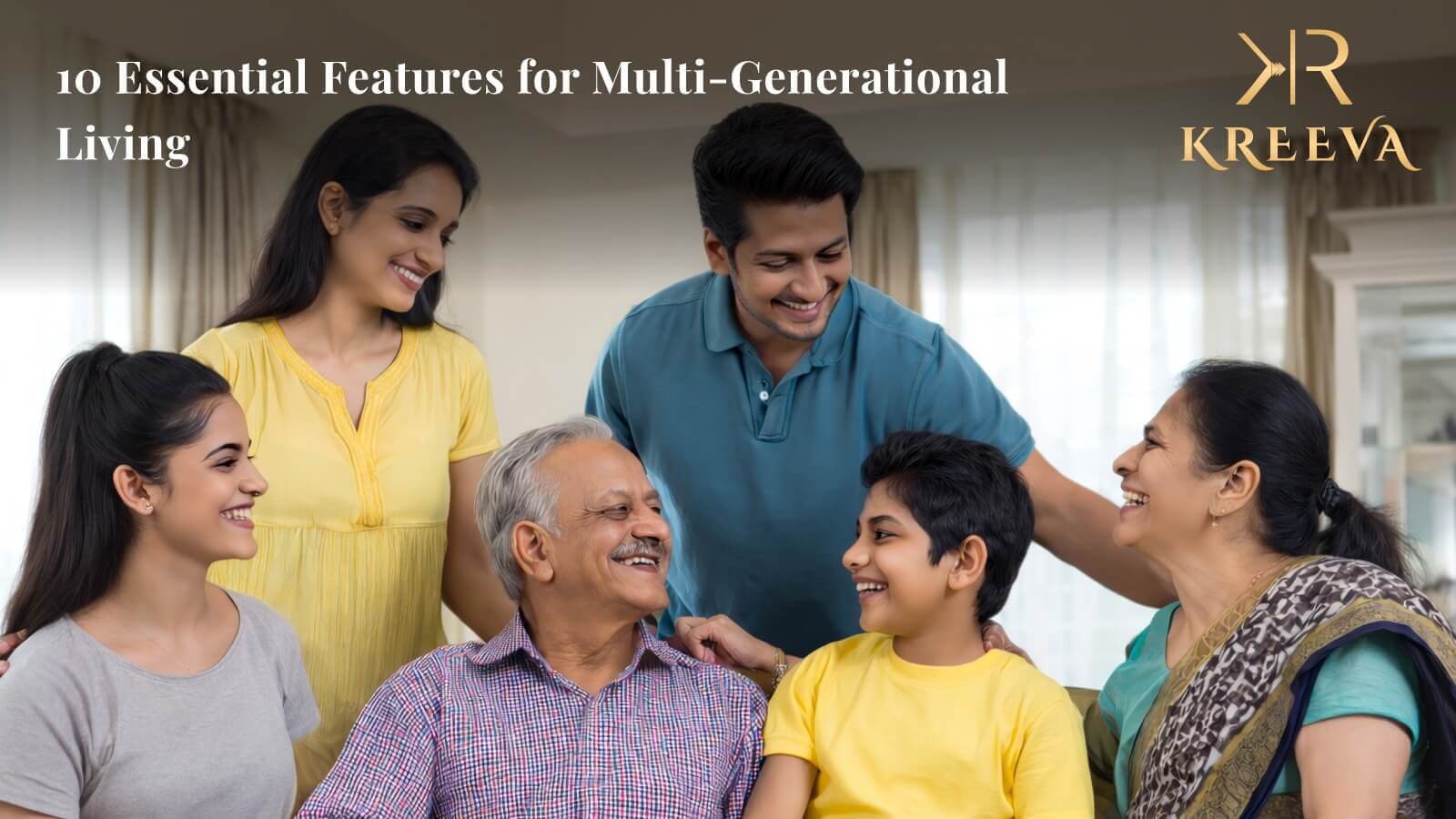
April 27, 2026The rise of multi-generation homes is no longer a niche trend it is rapidly shaping the future of housing in India, especially in premium markets like Gurugram. Driven by rising property costs, cultural preferences, and the need for shared caregiving, families are increasingly choosing homes that accommodate multiple generations under one roof.
For real estate developers, investors, and homebuyers, understanding the essential features for multi-generational living is critical. Properties that meet these evolving needs are seeing stronger demand, better rental yields, and long-term value appreciation.
What is Multi-Generational Living?
Multi-generational living refers to a housing arrangement where two or more adult generations live together in the same home. This typically includes:
- Grandparents
- Parents
- Children
Why is it Growing in India?
- High real estate prices in urban areas
- Cultural emphasis on family living
- Rising demand for elder care within homes
- Work-from-home flexibility
In premium locations like Gurugram, buyers are now prioritizing space efficiency and adaptability over just location prestige.
10 Essential Features for Multi-Generational Living in 2026
1. Dual Master Bedrooms
A must-have feature for modern families.
Why it matters:
- Ensures privacy for both older and younger generations
- Provides comfort and independence
2. Independent Living Zones
Separate zones within the same home allow each generation to maintain autonomy.
Key elements include:
- Private lounges or sitting areas
- Soundproofing
3. Smart Home Integration
Technology plays a critical role in modern multi-generation homes.
Essential smart features:
- Voice-controlled lighting and appliances
- Remote security monitoring
- Smart health devices for elderly care
Why it’s important:
Enhances safety, convenience, and connectivity across generations.
4. Universal Accessibility Design
Homes must be safe and accessible for elderly family members.
Key design features:
- Anti-skid flooring
- Wider doorways for mobility aids
- Elevator access in high-rise residences
- Grab bars in bathrooms
5. Flexible Multi-Use Spaces
Rooms that can serve multiple purposes are essential.
Examples:
- Home office + guest room
- Study + playroom
- Hobby room for seniors
Why it matters:
Supports evolving family needs and future adaptability.
6. Enhanced Kitchen Layouts
In multi-generational homes, kitchens become central hubs.
Preferred features:
- Open + closed kitchen combination
- Ample storage
- Separate prep areas
7. Ample Storage Solutions
Storage needs multiply with more people in the home.
Must-have storage options:
- Walk-In Wardrobes
- Dedicated Storage Rooms
- Modular Cabinets
8. Strong Security Infrastructure
Security is a top priority for families with elderly members and children.
Key features:
- Gated communities
- CCTV surveillance
- Video door phones
- Access-controlled entry
9. Wellness & Community Amenities
Multi-generational living extends beyond the home.
Important amenities include:
- Walking tracks for seniors
- Play areas for children
- Clubhouses for social interaction
- Healthcare access nearby
Why it matters:
Encourages physical and mental well-being for all age groups.
10. High-Speed Connectivity & Workspaces
With hybrid work becoming the norm, connectivity is essential.
Key features:
- High-speed internet infrastructure
- Dedicated workspaces
- Sound-insulated rooms
Conclusion
The essential features for multi-generational living are redefining how homes are designed, marketed, and valued in 2026. As families seek comfort, flexibility, and long-term sustainability, real estate must evolve accordingly.
Frequently Asked Questions:
1. What are the most important features in a multi-generational home?
Dual master bedrooms, privacy zones, accessibility, smart technology, and flexible spaces are key features.
2. How does multi-generational living impact property value?
Homes designed for multi-generational living often have higher demand and better long-term appreciation.
3. Are multi-generational homes a good investment?
Yes, due to growing demand and changing family structures, they represent a strong investment opportunity.