 by admin
Multi-Generation Living: A Global Trend Explained
April 16, 2026The way families live is changing rapidly across the world. Rising property prices, evolving family values, and longer life expectancy are reshaping housing preferences. One concept gaining strong momentum is multi generation living, a housing model where multiple generations of a family live under one roof while maintaining privacy and independence.
For real estate professionals, investors, and homebuyers, understanding the multi-generational living trend is no longer optional it’s essential. In premium markets like Gurugram, this trend is influencing project design, buyer demand, and long-term investment value.
With new-age developments emerging in Gurugram, this shift is becoming more visible in India’s luxury real estate segment. Let’s explore how this global trend is shaping the future of housing.
What is Multi-Generation Living?
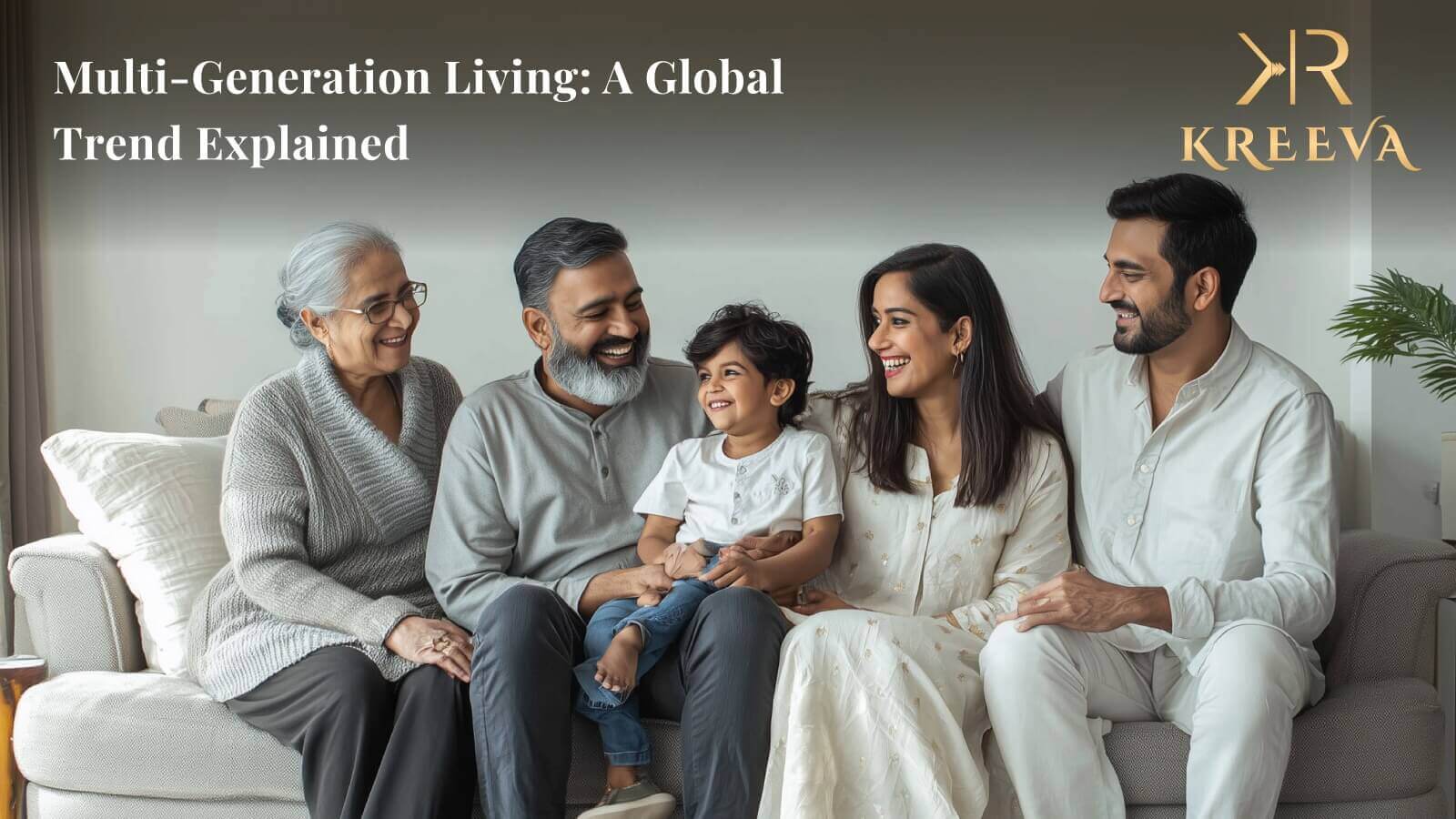
Multi-generation living refers to a housing arrangement where three or more generations such as grandparents, parents, and children live together in one home or within a shared residential setup.
Key Characteristics:
- Separate living zones within the same property
- Shared common spaces like kitchen and living room
- Flexible layouts for evolving family needs
This model blends togetherness with privacy, making it highly adaptable for modern urban families.
Why is Multi-Generation Living Becoming a Global Trend?
The rise of the multi generation living trend is driven by multiple socio-economic and cultural factors:
1. Rising Property Prices
In global cities and premium Indian markets like Gurugram:
- Buying multiple homes is expensive
- Consolidating into one larger home is more cost-efficient
2. Longer Life Expectancy
Families today are supporting elderly members for longer periods, increasing the need for:
- Accessible homes
- Elder-friendly infrastructure
3. Cultural Values
In countries like India:
- Joint family systems are deeply rooted
- Emotional and social support systems remain important
4. Work-from-Home Culture
Post-pandemic work flexibility has:
- Reduced dependency on office proximity
- Increased demand for larger homes with multiple functional spaces
5. Childcare and Elder Care Needs
Living together allows:
- Better childcare support
- Reduced dependency on external services
Multi-Generation Living in India
The trend is particularly visible in premium real estate markets.
Gurugram
Gurugram has become a preferred destination for modern multi-generation homes due to:
- Planned infrastructure
- Larger land parcels enabling spacious layouts
- New-age developers focusing on flexible designs
Delhi
Delhi continues to attract:
- Established families
- Legacy property buyers
However, challenges include:
- Limited redevelopment flexibility
- Older layouts not suited for modern multi-gen needs
Comparison Table: Gurugram vs Delhi
|
Factor |
Gurugram |
Delhi |
| Property Layout | Modern, flexible | Traditional layouts |
| Space Availability | Larger units | Limited expansion |
| Infrastructure | Planned & growing | Established but saturated |
| Suitability for Multi-Gen Living | High | Moderate |
| Investment Potential | High growth | Stable but slower |
Benefits of Multi-Generation Living
1. Financial Efficiency
- Shared expenses (utilities, maintenance)
- Lower per-person cost of living
2. Stronger Family Bonds
- Daily interaction across generations
- Emotional support system
3. Better Asset Utilization
- One premium property instead of multiple smaller ones
- Higher long-term appreciation
4. Built-in Support System
- Elder care within family
- Childcare support without external dependency
5. Increased Property Value
Homes designed for multi-generation families often:
- Attract premium buyers
- Offer better resale potential
Challenges to Consider
While the benefits are significant, there are practical challenges:
Common Issues:
- Lack of privacy in poorly designed homes
- Generational lifestyle differences
- Space planning limitations
Solution:
Modern developments in Gurugram address these concerns through:
- Independent living areas
- Soundproof layouts
- Dedicated zones for each generation
Design Features of Modern Multi-Generation Homes
Today’s developers are actively designing homes for this trend.
Must-Have Features:
- Dual master bedrooms
- Private balconies for each unit
- Lift access and elder-friendly design
- Smart home integration
Premium Additions:
- Wellness zones
- Co-working spaces
- Recreation areas for all age groups
These features are redefining the future of multi-generation homes in India.
Why Investors Should Pay Attention
The multi-generational living trend is not just a lifestyle shift it’s an investment opportunity.
Investment Advantages:
- Higher demand among HNIs and NRI buyers
- Better rental yield from larger units
- Long-term capital appreciation
The Future of Multi-Generation Homes
The demand for multi-gen homes is expected to grow due to:
- Urban space constraints
- Changing family dynamics
- Increasing focus on lifestyle quality
In India, especially in Gurugram:
- Developers are already adapting
- Buyers are actively seeking such configurations
The concept is evolving from necessity to aspirational living.
Conclusion
The multi-generational living trend is reshaping how homes are designed, marketed, and lived in across the world. In India, this shift is particularly visible in premium markets like Gurugram, where modern developments are aligning with evolving family needs.
For investors, developers, and homebuyers, this trend represents not just a lifestyle upgrade but a strategic opportunity. As the future of multi-generation homes continues to evolve, early adoption in high-growth markets like Gurugram could offer significant long-term value.
Frequently Asked Questions:
1. What is the multi-generational living trend?
It refers to the growing preference for families of multiple generations living together in a single, well-designed home with private and shared spaces.
2. Is multi-generation living popular in India?
Yes, especially in urban areas like Gurugram where modern homes support this lifestyle with better design and amenities.
3. Are multi-gen homes a good investment?
Yes, they attract premium buyers, offer better utilization, and have strong long-term appreciation potential.