 by admin
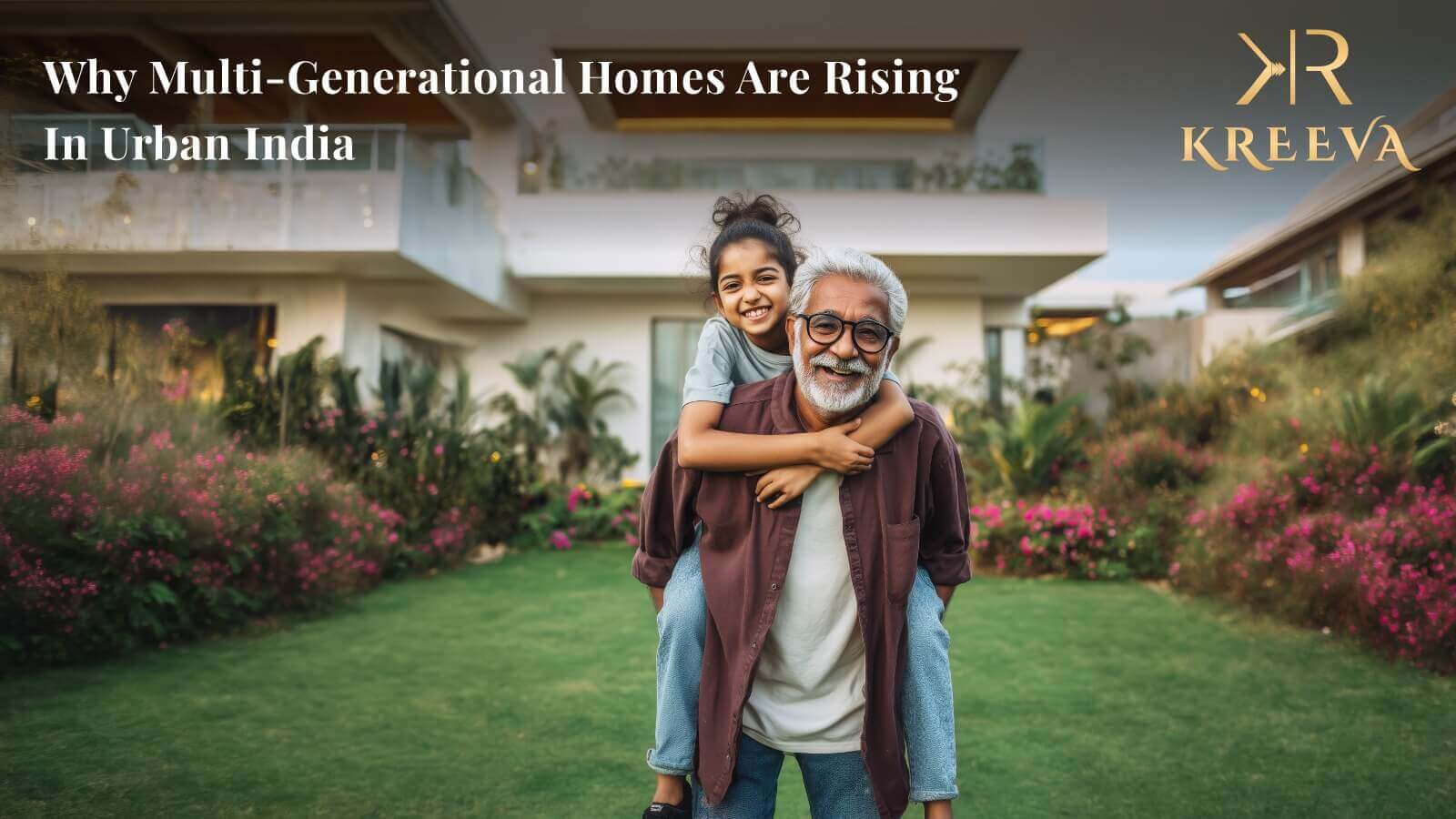
Why Multi-Generational Homes Are Rising in Urban India: The 2026 Shift
April 13, 2026Urban India is witnessing a quiet but powerful transformation in the way families live. The rise of multi-generational homes—where parents, children, and even grandparents live under one roof—is no longer just a cultural tradition. In 2026, it has become a strategic lifestyle choice driven by economics, convenience, and evolving urban realities.
For real estate professionals, investors, and homeowners, understanding why multi-generational homes are rising in urban India is critical. This shift is not temporary—it is shaping demand patterns, influencing design preferences, and redefining luxury living, especially in prime markets like Gurugram and South Delhi.
What Are Multi-Generational Homes?
Multi-generational homes are residential setups designed to accommodate two or more generations of a family. These homes balance privacy and shared living, often including:
- Separate living zones or suites
- Multiple master bedrooms
- Dual kitchens or pantry areas
- Flexible spaces for work and leisure
Why Multi-Generational Homes Are Rising in Urban India
1. Rising Urban Property Costs
Buying multiple homes in cities like Gurugram or South Delhi is becoming increasingly expensive. Consolidating into a single, larger home offers:
- Better cost efficiency
- Shared financial responsibilities
- Higher value per square foot
In comparison, South Delhi’s established neighborhoods often come with higher entry costs and limited new inventory, while Gurugram offers modern, spacious developments tailored for multi-generation living.
2. Changing Family Dynamics
Urban Indian families are evolving but not necessarily fragmenting. Many prefer staying connected while maintaining independence.
Key factors include:
- Dual-income households needing support
- Aging parents requiring proximity and care
- Young families seeking emotional and logistical support
Multi-generational homes provide a balanced solution between traditional joint families and nuclear setups.
3. Work-from-Home and Hybrid Work Culture
Post-pandemic work trends have permanently changed how homes are designed.
Today’s buyers demand:
- Dedicated home offices
- Quiet zones for productivity
- Shared spaces for collaboration
Large, flexible homes in Gurugram outperform older layouts in South Delhi when it comes to accommodating these needs.
4. Elderly Care and Lifestyle Convenience
India’s aging population is a key driver of this trend. According to government and policy reports, senior citizens prefer aging in place rather than moving to assisted living facilities.
Multi-generational homes offer:
- Immediate family support
- Reduced dependency on external caregivers
- Emotional well-being and security
This is particularly relevant in premium developments promoting multi-generation living with wellness-focused amenities.
5. Lifestyle Upgrade and Luxury Preferences
Luxury is no longer defined only by location—it is about space, flexibility, and experience.
Modern projects like The Dualis emphasize:
- Private zones within shared homes
- High-end amenities for all age groups
- Smart home integrations
Compared to South Delhi’s older luxury homes, Gurugram developments are designed with future-ready living in mind.
Gurugram vs South Delhi: A Comparative Perspective
| Factor | Gurugram |
South Delhi |
| New Developments | High availability | Limited supply |
| Space & Layout | Modern, flexible | Traditional layouts |
| Price Value | Competitive luxury pricing | Premium pricing |
| Infrastructure | Rapidly evolving | Well-established |
| Multi-Gen Suitability | Purpose-built projects | Retrofitted homes |
Gurugram clearly leads when it comes to future-focused housing, making it ideal for multi-generational families.
Features Driving Demand in 2026
Smart Home Integration
- Voice-controlled systems
- Security automation
- Energy-efficient designs
Privacy-Centric Layouts
- Separate entrances or wings
- Soundproof rooms
- Independent living areas
Community Living
- Senior-friendly amenities
- Kids’ recreational spaces
- Co-working zones
Benefits of Multi-Generational Living
Financial Benefits
- Shared EMIs and maintenance costs
- Better asset utilization
- Long-term wealth creation
Emotional & Social Benefits
- Stronger family bonds
- Reduced loneliness for seniors
- Better upbringing environment for children
Practical Benefits
- Shared responsibilities
- Improved work-life balance
- Built-in support system
Investment Potential in Multi-Generational Homes
From an investment perspective, these homes offer:
- Higher resale value due to growing demand
- Better rental yields for large families
- Long-term appreciation in emerging hubs like Gurugram
As urban density increases, larger, smarter homes will become premium assets.
Conclusion
The rise of multi-generational homes in urban India is not just a trend, it is a response to economic realities, lifestyle changes, and cultural values. As cities evolve, so do the expectations from living spaces.
If you’re exploring opportunities in this space, now is the time to align with projects that are built for tomorrow.
Frequently Asked Questions:
1. Why are multi-generational homes becoming popular in India?
They offer financial efficiency, emotional support, and practical convenience, especially in expensive urban markets.
2. Are multi-generational homes a good investment?
Yes, they have strong demand, better resale value, and long-term appreciation potential.
3. Why is Gurugram ideal for multi-generation living?
Gurugram offers modern developments, better space planning, and future-ready infrastructure compared to older areas like South Delhi.
4. What features should I look for in a multi-generational home?
Look for flexible layouts, privacy-focused design, smart home features, and community amenities.