 by admin
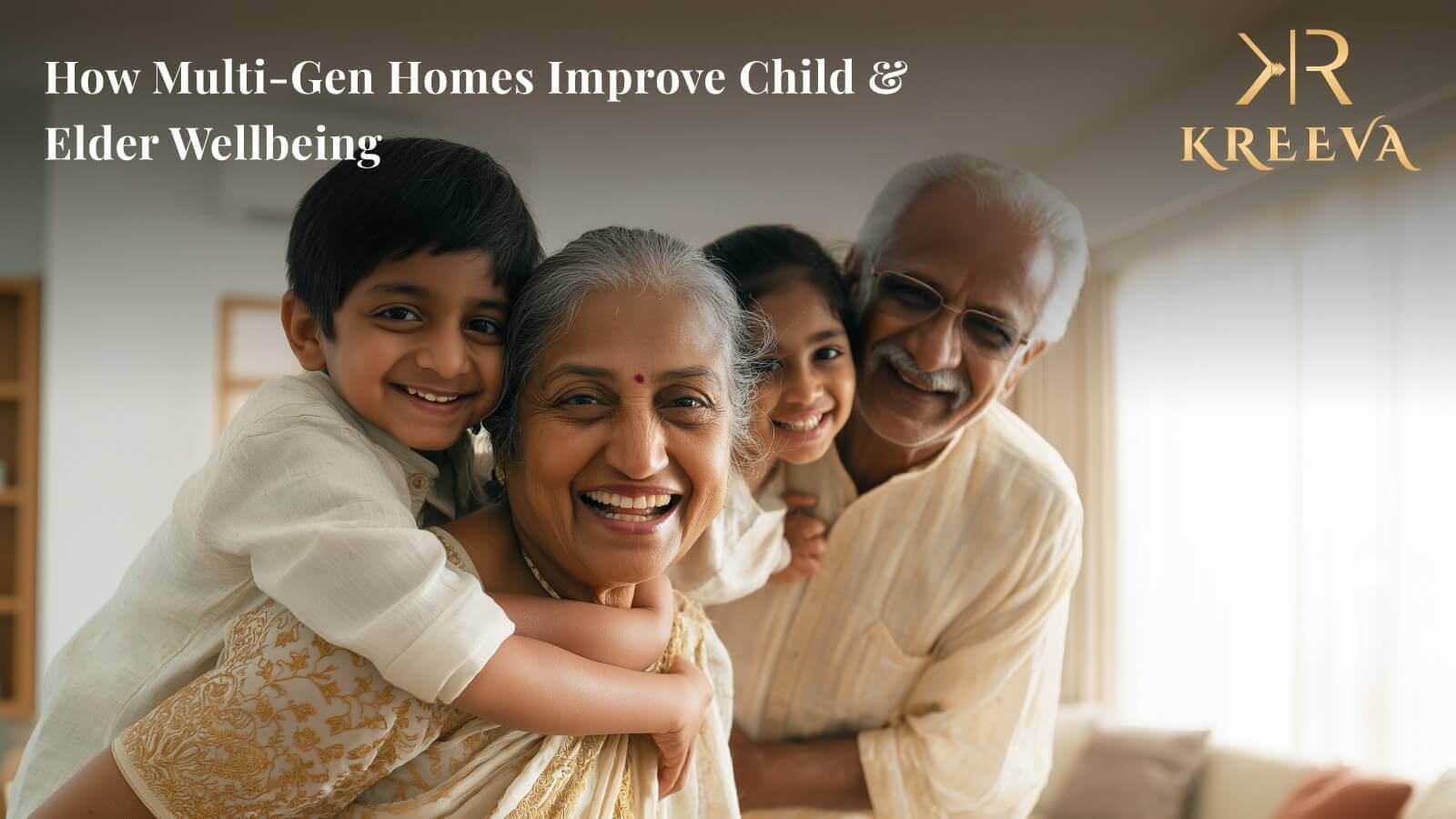
How Multi-Gen Homes Improve Child & Elder Wellbeing: The Science of Shared Living
April 19, 2026Across urban India, especially in fast-evolving hubs like Gurugram, housing preferences are shifting. Nuclear families are no longer the default aspiration. Instead, multi-generation living is emerging as a practical, emotionally fulfilling, and financially sound alternative.
For real estate professionals, investors, and homebuyers, understanding how multi-gen improves child and elder wellbeing is no longer optional—it’s essential. This trend is not just cultural; it is backed by research in psychology, gerontology, and child development.
In this blog, we explore the science, real-world benefits, and real estate implications of shared living—especially in premium markets like Gurugram.
What Is Multi-Generation Living?
Multi-generation living refers to households where two or more adult generations live under the same roof. This typically includes:
- Grandparents
- Parents
- Children
Sometimes, extended relatives are also part of the household.
Why It’s Growing in India
The rise of multi-generation homes is driven by:
- Rising urban living costs
- Increasing elder care needs
- Desire for stronger family bonds
- Work-from-home flexibility
- Safety and childcare support
The Science Behind Shared Living
Scientific studies in sociology and healthcare consistently show that intergenerational living improves emotional, cognitive, and physical wellbeing.
Key Research Insights
- Children benefit from increased emotional security and social learning
- Elders experience reduced loneliness and improved mental health
- Families report higher life satisfaction and resilience
Organizations like the World Health Organization (WHO) and geriatric research bodies emphasize the importance of social connection in improving quality of life across age groups.
How Multi-Gen Homes Improve Child Wellbeing
1. Strong Emotional Foundation
Children growing up with grandparents often develop:
- Higher emotional intelligence
- Better stress management
- Stronger sense of belonging
Grandparents provide consistent emotional support, which is critical in early development.
2. Enhanced Cognitive Development
Interacting with older generations exposes children to:
- Storytelling traditions
- Cultural knowledge
- Problem-solving perspectives
This improves language skills and cognitive flexibility.
3. Better Behavioral Outcomes
Studies suggest that children in multi-gen households:
- Show fewer behavioral issues
- Develop stronger moral values
- Are more socially adaptable
4. Built-In Childcare Support
For working parents in cities like Gurugram:
- Reduces dependency on external daycare
- Ensures trusted caregiving
- Improves child safety and routine stability
How Multi-Gen Homes Improve Elder Wellbeing
1. Reduced Loneliness and Isolation
Loneliness is a major health risk for seniors. Living with family:
- Provides daily interaction
- Reduces depression risk
- Improves emotional health
2. Improved Physical Health
Active engagement with younger family members leads to:
- Increased mobility
- Better daily activity levels
- Improved overall vitality
3. Sense of Purpose
Elders who contribute to family life:
- Feel valued and respected
- Maintain mental sharpness
- Experience higher life satisfaction
4. Better Care and Monitoring
In a multi-gen setup:
- Health issues are detected early
- Medication routines are maintained
- Emergency support is immediate
The Role of Home Design in Multi-Gen Wellbeing
Not all homes are built for multi-generational living.
Design Features
- Separate living zones for privacy
- Sound insulation
- Elder-friendly infrastructure (ramps, lifts)
- Child-safe layouts
Conclusion
The concept of multi-generation living is no longer just a tradition, it is a scientifically supported, future-ready housing model.
From improving emotional health to enhancing financial efficiency, the benefits are clear. As urban lifestyles evolve, the demand for thoughtfully designed multi-gen homes will continue to grow.
If you’re planning your next move, now is the time to embrace the future of multi-generation homes.
Frequently Asked Questions:
1. How do multi-gen homes improve child and elder wellbeing?
They provide emotional support, social interaction, and shared responsibilities, improving mental and physical health for both groups.
2. Is multi-generation living suitable for urban cities?
Yes, especially in planned cities like Gurugram, where homes are designed for this lifestyle.
3. Are multi-gen homes a good investment?
Yes. They offer strong long-term value, growing demand, and better utilization of space.